

Epiroc Genuine Parts
QINGDAO ZHIJING LONGHUI TRADE CO., LTD
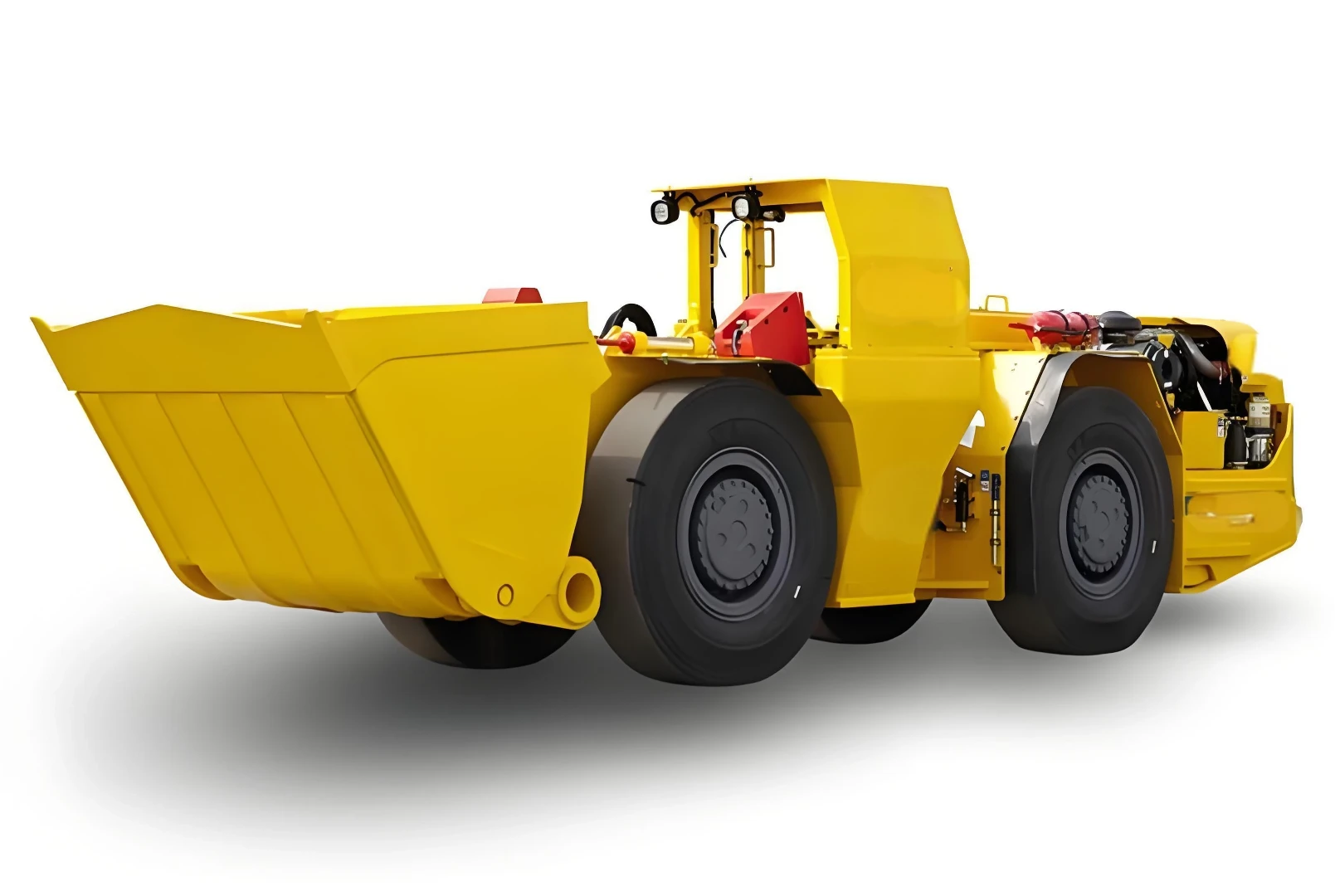
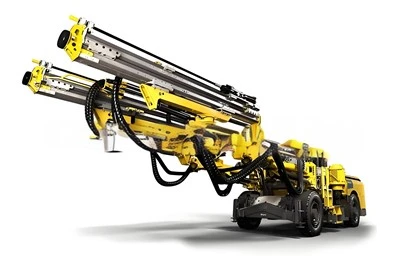
Qingdao Zhijing Longhui Trade Co., Ltd. is specialized in the import and export of mining machinery and is located in Qingdao City, Shandong Province, China. Our comprehensive range of mining equipment includes excavators, drill rigs, loaders, and trucks — all designed to maximize productivity and profitability for our clients.
Why Choose Us
Professional Team
We have an experienced team of professionals who provide consulting services on mining best practices and equipment selection.
Sales Market
As a professional exporter of mining machinery, we operate globally, with a focus on the European, African, Asian, and Latin American markets.
Customized Services
We understand the unique challenges and opportunities in different regions and tailor our products and services to meet the specific needs of each market.
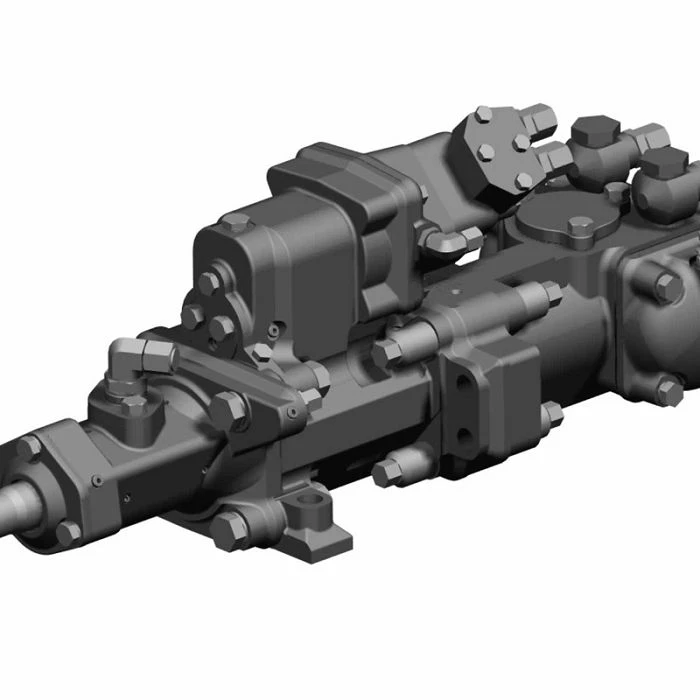
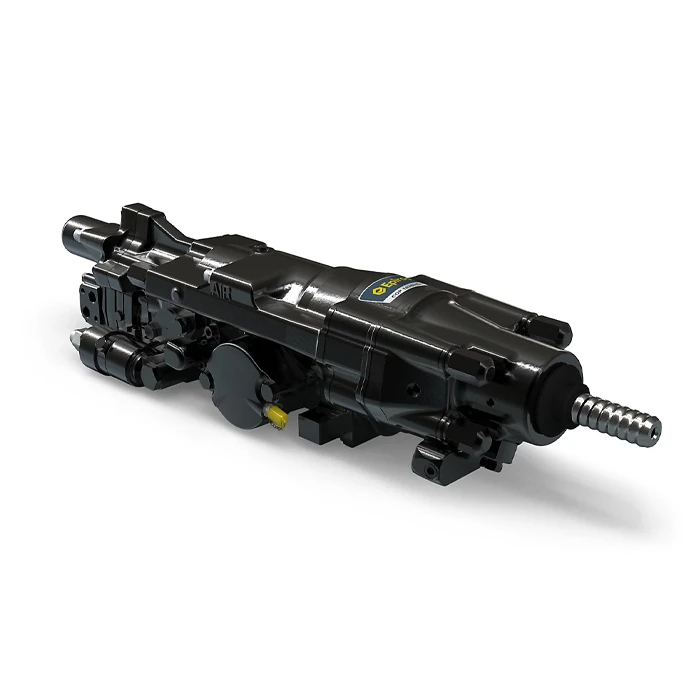
Rock Drill For Epiroc
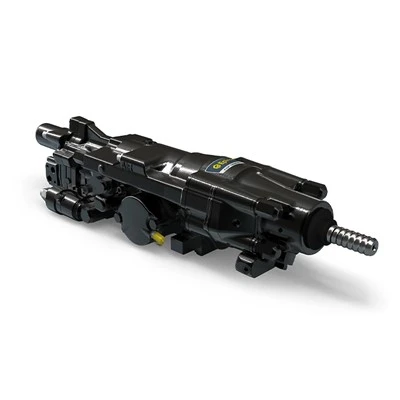
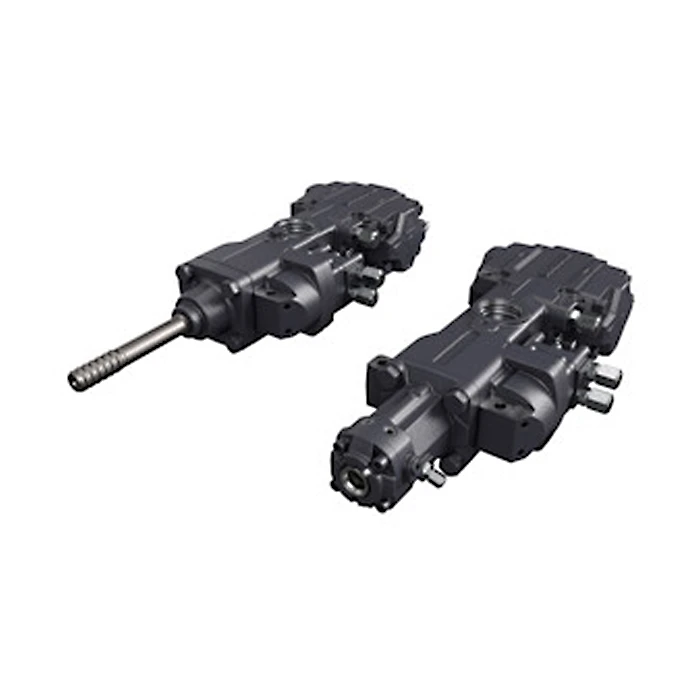
A rock drill is a machine that is designed to drill holes into solid rock surfaces. It’s a vital tool in the mining industry and is used for a variety of applications, such as drilling blast holes, bolt holes, and cable holes, among others. Without rock drills, mining would be much more challenging, time-consuming, and costly.
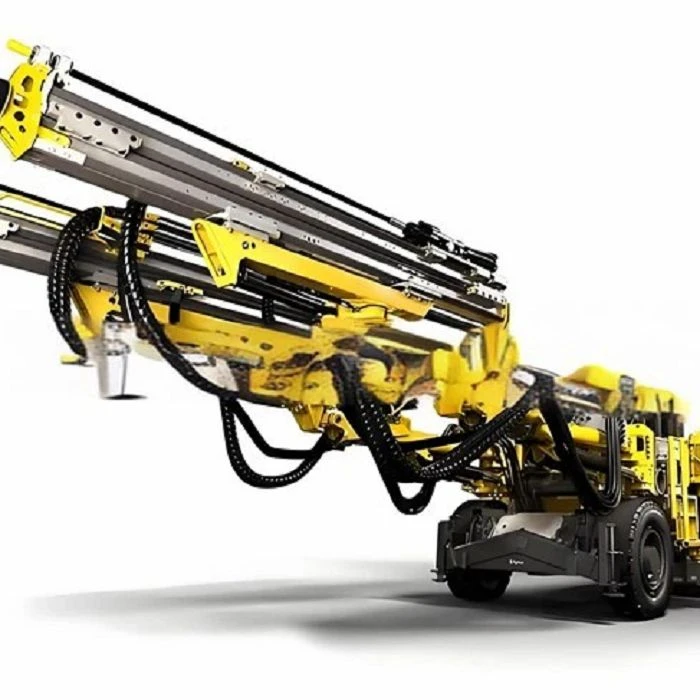
Rock drills come in various sizes, shapes, and configurations, each suited for specific drilling needs. They can be mounted on different types of equipment, such as excavators, drill rigs, and underground loaders.
Main Dimensions
|
Hole diameter drilling |
64 - 115 mm |
|
Hole diameter reaming |
76 - 127 mm |
|
Power class |
19.5 kW |
|
Percussion rate |
42-52 Hz |
|
Operating pressure |
Percussion |
|
Rotation (max.) |
100 - 190 bar 200 bar |
|
Rotation motor type |
OMS 80, OMS 125 or OMS 315 |
|
Drill steels |
38mm/45mm/51mm |
|
Shanks |
|
|
38mm rods |
T38/600 |
|
45mm rods |
T45 600 |
|
51mm rods |
T51/600 |
|
Weight |
245 kg |
|
ROTATION MECHANISM |
|
|
Motor |
Orbit type |
|
Motor type 1 |
OMT 200 |
|
Torque (at 175 bar) |
1095 Nm |
|
Rotation speed |
0 - 180 rpm |
|
Flow (at max speed) |
79 l/min |
|
ROTATION MECHANISM |
|
|
Motor |
Orbit type |
|
Motor type 2 |
OMT 250 |
|
Torque (at 175 bar) |
1335 Nm |
|
Rotation speed |
0 - 180 rpm |
|
Flow (at max speed) |
99 l/min |
|
FLUSHING PRESSURE |
|
|
Max. pressure (air / water) |
20 bar |
|
ACCUMULATORS |
|
|
Accumulator gas |
Nitrogen N2 |
|
High pressure (HP) |
50 bar |
|
Low pressure (LP) |
4 bar |
|
Filling valve |
Vg8 DIN7756 |
|
SHANK LUBRICATION |
|
|
Air flow |
200 - 300 l/min |
|
Pressure |
4 - 7 bar |
|
Oil consumption |
250 - 550 g/h |
|
OIL RECOMMENDATION |
|
|
Oil operating temperature |
+40°C up to +60°C |
|
Oil recommendation |
See Sandvik drill rigs lubricant recommendation for detailed information |
Features
High Durability Long Life
Alloy steel forged parts provide maximum durability.
Removable bushing to protect wear of front head.
Ergonomic Series Available
Anti-vibration handle and noise reduction muffler are available for workers healthcare.
Other Features
Forged latch retainer for quick chisel change.
Multi position throttle for smooth start-up in drilling.
Benefits of Rock Drill For Epiroc
Efficiency and Speed
One of the most significant conveniences that rock drills bring to rock drilling work is their efficiency and speed. Manual drilling methods are not only labor-intensive but also time-consuming and less precise. Rock drills, such as air-leg rock drills and jackhammers, streamline the process, delivering faster and more accurate results. These tools use compressed air or hydraulic power to drive a piston, which delivers repetitive and powerful blows to break through rock surfaces. This mechanized process is much quicker compared to traditional manual methods, significantly speeding up project timelines.
Reduced Labor Intensity
Before the advent of mechanized rock drilling, workers had to rely on brute force to drill through rock. This manual process was exhausting and posed numerous health risks, including musculoskeletal disorders. Rock drills have dramatically reduced the physical strain on workers. Air-leg rock drills, for example, come equipped with pneumatic legs that support the drill and absorb some of the shock, reducing the effort required from the operator. Jackhammers, with their ergonomic designs, also lessen the physical demands on workers, allowing for longer operational periods and reducing the risk of injuries.
Increased Precision
The precision offered by rock drills is another notable convenience. Accurate drilling is crucial in minimizing wastage and ensuring the stability and safety of structures. Rock drills allow operators to maintain control over the drilling process, enabling accurate borehole placement and depth. Air-leg rock drills are particularly useful in this regard; their adjustable pneumatic legs provide stable support, allowing for precise and controlled drilling. Jackhammers, too, offer superior control compared to traditional tools, ensuring that drilling operations are carried out with high precision.
Versatility and Adaptability
Rock drills are versatile tools that can adapt to various drilling conditions and requirements. Air-leg rock drills are designed for use in narrow spaces and challenging environments, making them ideal for underground mining and tunneling. The pneumatic legs can be adjusted to different angles and heights, allowing operators to drill in diverse orientations without compromising accuracy or speed. Jackhammers are equally versatile; their portability and variety of available attachments make them suitable for a wide range of drilling applications, from breaking concrete to penetrating hard rock layers.
Enhanced Safety
Safety is a paramount concern in drilling operations. The use of rock drills has significantly enhanced safety standards in the workplace. With manual drilling methods, the risk of accidents and injuries was higher due to the strenuous nature of the work and the instability of tools. Rock drills, such as air-leg rock drills and jackhammers, provide better control and stability, reducing the likelihood of accidents. Additionally, modern rock drills are equipped with safety features like anti-vibration handles, automated shut-off mechanisms, and safety guards to protect operators from harm.
Rock drills are commonly used in various industries, including
Mining
For extracting minerals from underground deposits.
01
Construction
For drilling holes for anchors, blasting, or other purposes.
02
Quarrying
For extracting stone and other materials from quarries.
03
Tunneling
For creating tunnels and underground passages.
04
Demolition
For breaking down concrete or other hard structures.
05
How To Choose A Rock Drill
Engineering Requirements: Firstly, you need to clarify your engineering requirements, including rock hardness, concrete thickness, required drilling depth and diameter, etc. This will help you determine the specifications and models of the rock drill you need.
Power Source: It is necessary to choose the appropriate power type based on the conditions of the engineering site. For example, if there is a stable power supply on site, an electric rock drill may be a good choice; If there is no power supply on site, pneumatic or gasoline rock drills may be more suitable.
Performance & Parameters: When choosing a rock drill, you need to consider its performance parameters. The higher the power, the faster the rock drilling speed; The higher the efficiency, the less energy consumption. Secondly, the reliability, durability, and maintenance of rock drills should be considered. A reliable rock drill can reduce downtime and maintenance costs. In addition, it is necessary to consider the weight and size of the rock drill for easy portability and use.
Price & Budget: The price of rock drills varies depending on factors such as model, performance, and brand. Choose the appropriate rock drill according to the budget
Safety: A rock drill is a high-risk tool that requires selecting a rock drill that meets safety standards, is equipped with necessary safety protection devices (such as dust covers, shock absorbers, etc.), and complies with usage regulations and safety operation requirements.
FAQ